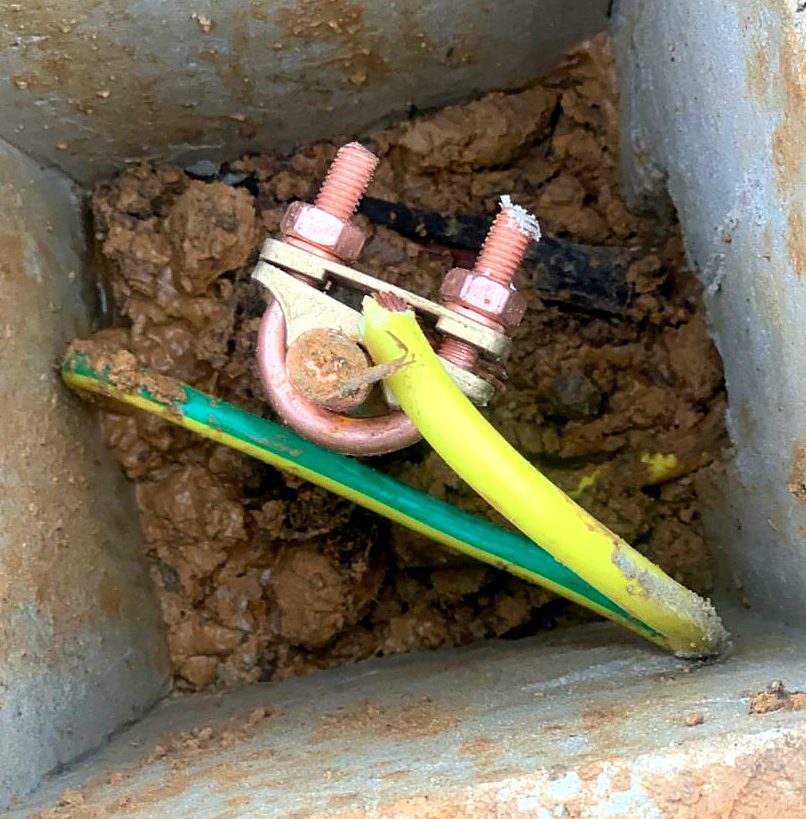
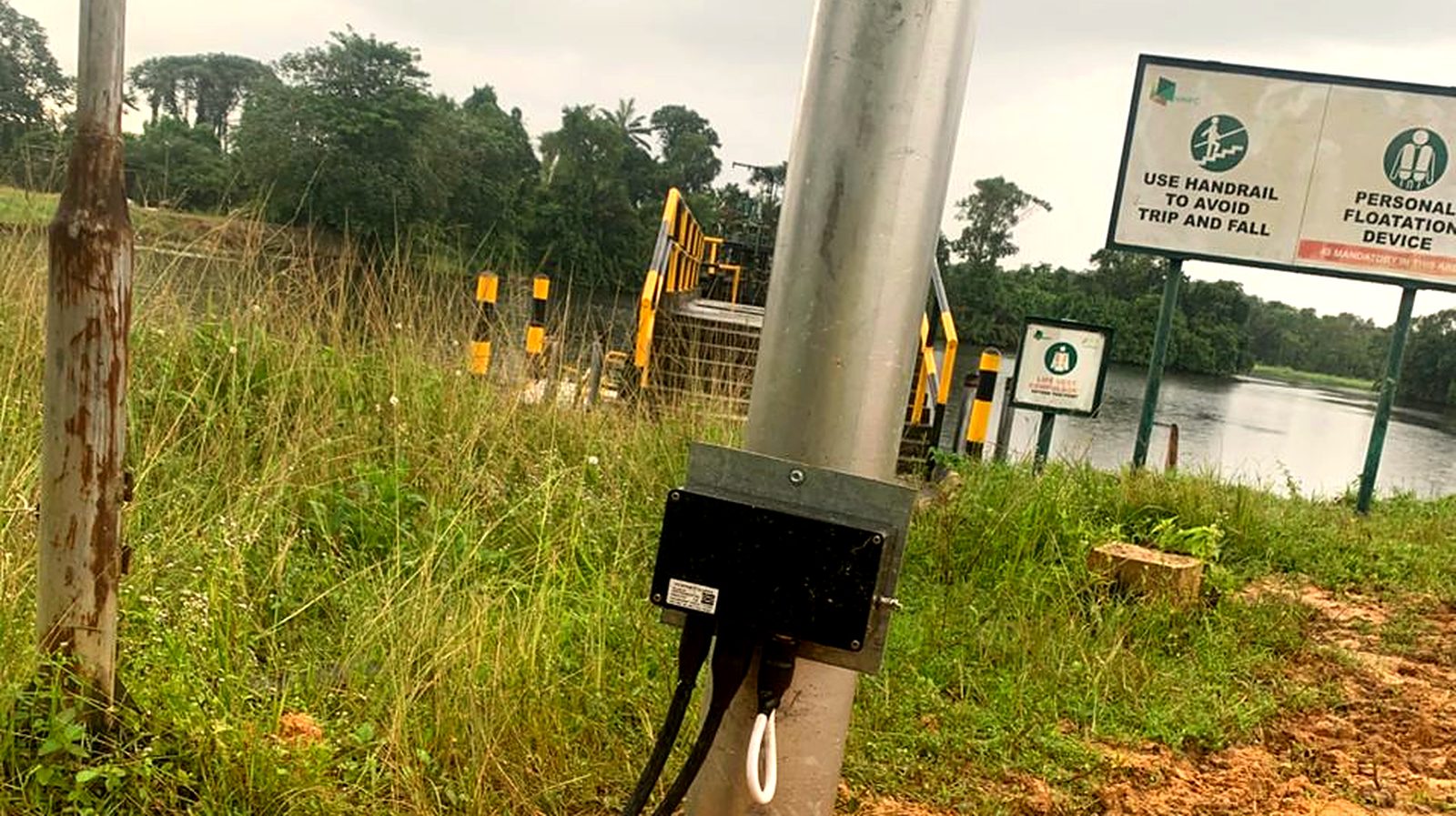
Precision Engineering,
Unyielding Safety.
At Stynolite Ventures Limited, our commitment to Health, Safety, Security, and Environment (HSSE) is matched only by our relentless pursuit of uncompromising quality.
Safety Is Our Culture
HSSE is not just a policy at Stynolite; it is the heartbeat of our operations. We integrate safety into every engineering design, construction phase, and maintenance routine. Our "Goal Zero" initiative aims for no harm to people and no damage to the environment across all our Nigerian industrial projects.
ISO 45001
ISO 14001
Workplace Safety
Rigorous PPE compliance, regular safety drills, and specialized training for all technical personnel ensure a fortress of protection on every site.
- check_circle 100% PPE Compliance
- check_circle Daily Tool-Box Meetings
- check_circle Emergency Response Readiness
Environmental Protection
We minimize our industrial footprint through sustainable waste management, spill prevention protocols, and efficient resource utilization.
- check_circle Zero Spillage Target
- check_circle Waste Segregation Policy
- check_circle Eco-friendly Material Sourcing
Hazard Identification
Proactive risk assessment (JHA/JSA) is performed before any task begins, identifying and mitigating potential threats in real-time.
- check_circle Real-time Risk Assessment
- check_circle Stop-Work Authority
- check_circle Root Cause Analysis
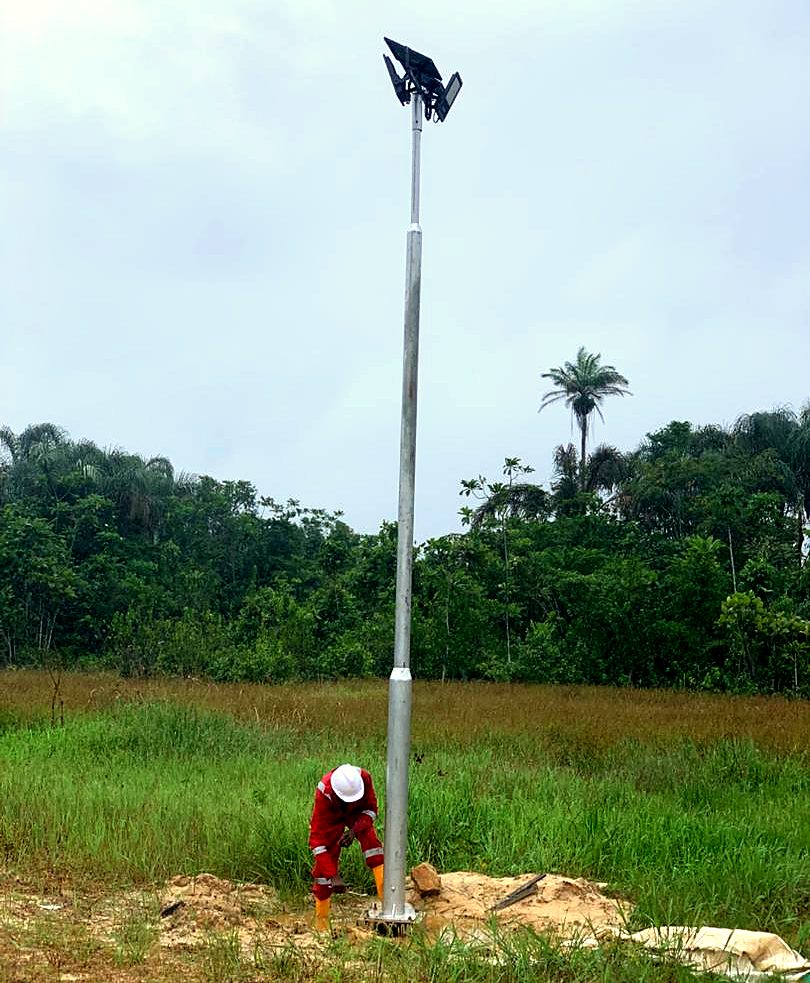
On-Site Excellence
Continuous Safety Monitoring
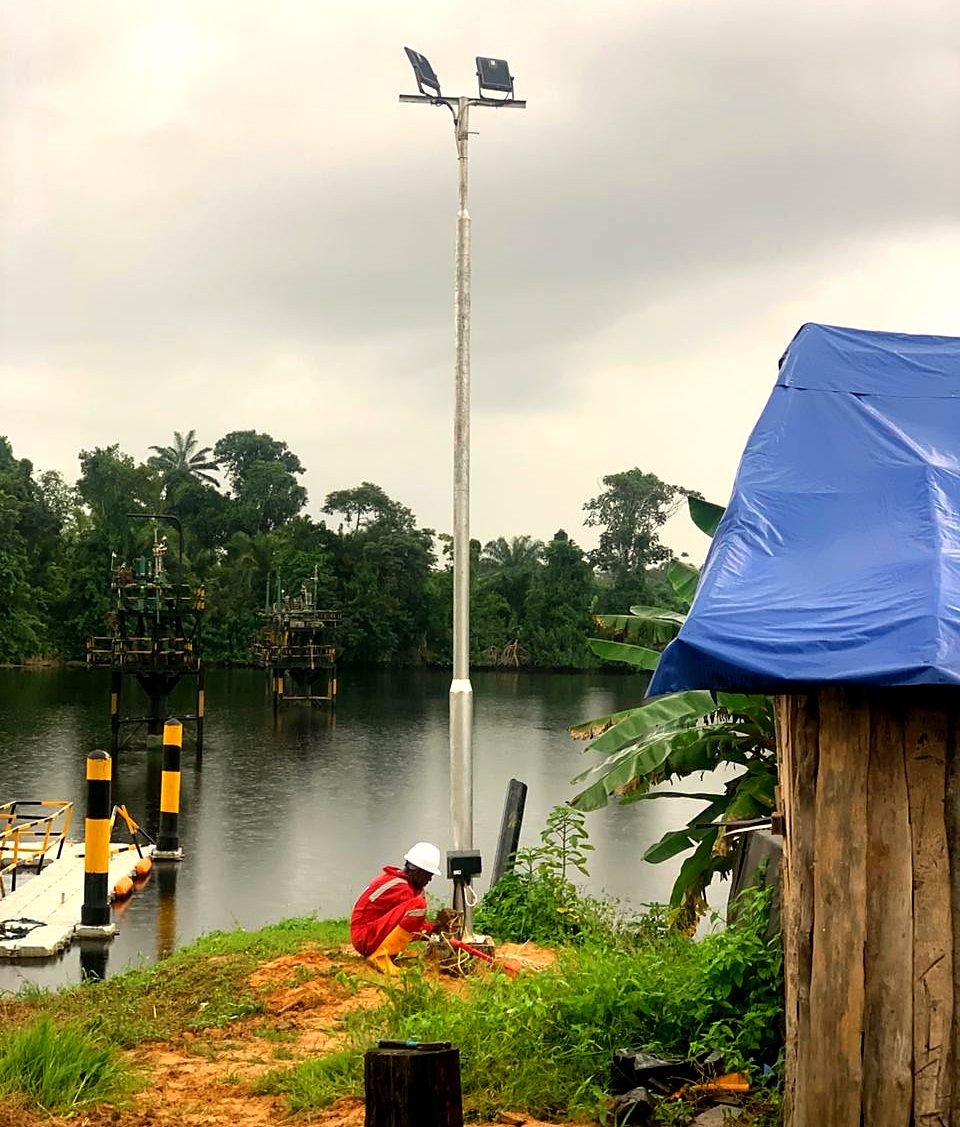
Collaborative Quality
Pre-Task Risk Assessments
Delivering Quality Without Compromise
Our Quality Management System (QMS) is built on the pillars of technical precision and material integrity. We adhere to international benchmarks and local content requirements to deliver infrastructure that stands the test of time.
QA/QC Systems
Total Quality Management (TQM) is embedded into every workflow, from procurement to final handover.
Material Verification
Stringent testing of raw materials to ensure compliance with project specifications and durability standards.
Industry Standards Compliance
We operate in strict accordance with Department of Petroleum Resources (DPR) regulations, Nigerian Content Development and Monitoring Board (NCDMB) guidelines, and international ASME/API standards.